
Is inventory a problem or a symptom?
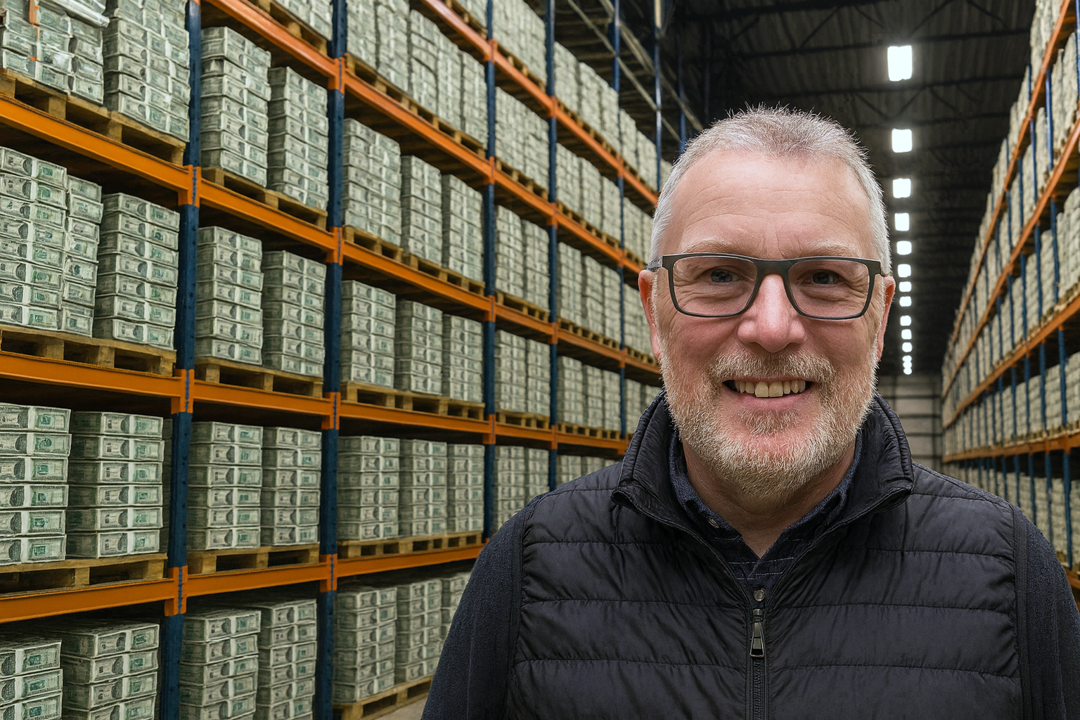
Reducing inventory is often seen as a quick and effective way to free up cash. However, my consulting experience over 20+ years suggests that such reductions are often made in an arbitrary way without understanding the role of inventory in the smooth running of a business, and can often do more harm than good.
“Lean is not about cutting to the bone; it’s about cutting what doesn’t add value.”
John Shook, Lean Enterprise Institute
Just like oil in an engine, both too little and too much inventory can be a problem. A shortage of material can have a bigger impact on the business’ ability to convert customer interest into cash received than the benefit derived from the inventory reduction. Too much inventory ties up cash and masks other issues in the business.
The reality is that the level of inventory is rarely the problem, more a symptom of something else.
The key is having the right level of inventory for your whole business system – end–to–end supply chain and customer ‘contact–to–cash’ cycle. That level is always calculable from the requirements of other parts of the system, from suppliers’ suppliers’ to customers’ customers and everything in between. This will reveal how much inventory is required to operate the business effectively as it is today and also surface many opportunities for improvement that will both reduce inventory and improve performance.
However, it’s not simply about getting the inventory numbers right. To operate at this level also requires confidence and trust in the system and agreement between all of the various internal and external parties that they will operate to maintain the calculated and agreed levels to ensure that everything runs smoothly.
The bottom line? With an optimised system, the performance of your end–to–end supply chain and customer ‘contact–to–cash’ cycles will be improved, processing time will be reduced, and less inventory will be required to achieve that. Another great example of delivering ‘high performance with ease’.
To learn more about the principles and practices behind this, visit our dedicated page here
Alternatively, if you’d like to explore how we can help you to put these ideas into practice, book a free, no obligation call using the button below.